 how-to
Signs You Need Roof Replacement in 2026
Table of Contents
- 10 Warning Signs You Need Roof Replacement in 2026
- 1. Curling, Buckling, or Cupping Shingles
- 2. Granules Collecting in Your Gutters
- 3. Missing or Damaged Shingles
- 4. Water Stains on Ceilings or Walls
- 5. Visible Sagging or a Drooping Roof Deck
- 6. Daylight Visible Through Roof Boards
- 7. Moss, Mold, or Algae Growth
- 8. Damaged or Missing Flashing
- 9. Skyrocketing Energy Bills
- 10. Your Roof Is 20+ Years Old
- How Long Does a Roof Last in Indiana
- Roof Inspection Checklist 2026: How to Assess Your Roof Safely
- Repair vs. Replacement: How to Decide
- Average Cost of Roof Replacement in Indianapolis
- Roof Replacement Signs: When to Stop Waiting and Act
- Conclusion
Last Updated: August 27, 2026
10 Warning Signs You Need Roof Replacement in 2026
Your roof is quietly failing right now, and most homeowners won't realize it until water drips onto the living room floor. At Roof Masters And Exteriors, we've spent over 35 years inspecting roofs across Indianapolis, and the pattern is always the same: the signs were there months, sometimes years, before the crisis hit. Recognizing roof replacement signs early is the difference between a planned project and an emergency repair that costs far more and disrupts your life.
1. Curling, Buckling, or Cupping Shingles
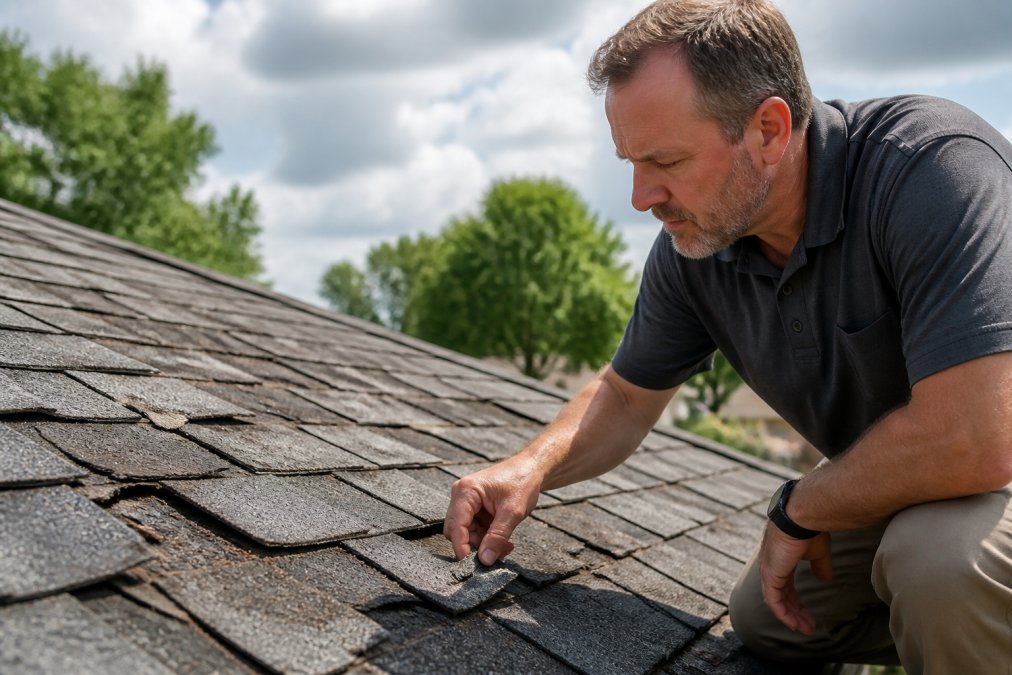
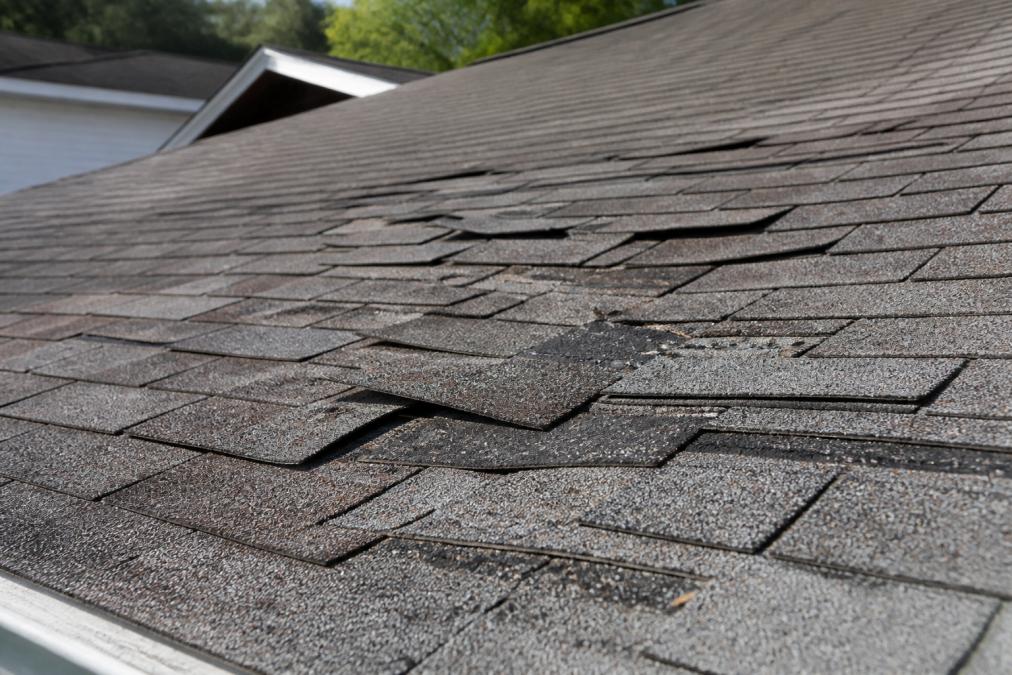
Curling shingles are one of the clearest roof replacement signs you can spot without climbing a ladder. Curling happens when shingle edges turn upward; cupping is when the center depresses downward; buckling produces a wavy, warped appearance. All three indicate that asphalt shingles are losing structural integrity from age, poor attic ventilation, or moisture buildup. Once shingles curl, they no longer lay flat, wind uplift gets underneath, and water infiltration damages the underlayment.
2. Granules Collecting in Your Gutters
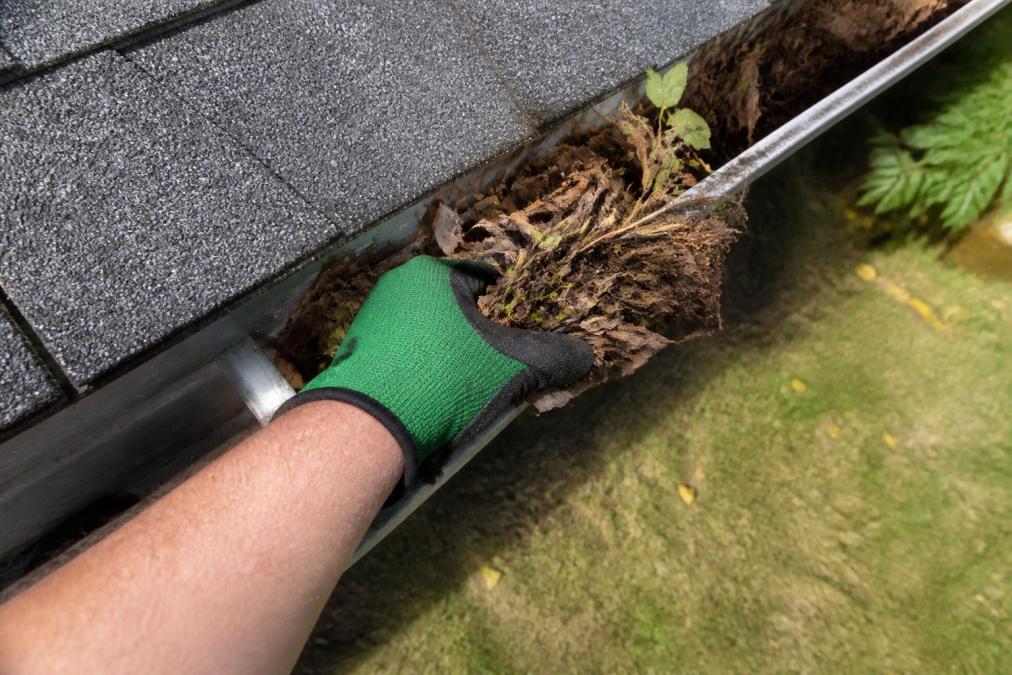
Check your gutters after the next rainstorm. If you find gritty, sand-like granules accumulating in downspouts, your asphalt shingles are shedding their protective coating. Granule loss accelerates UV degradation and shortens roof lifespan significantly. Consistent, heavy accumulation years into a roof's life is not normal and is particularly common after hail damage.
3. Missing or Damaged Shingles
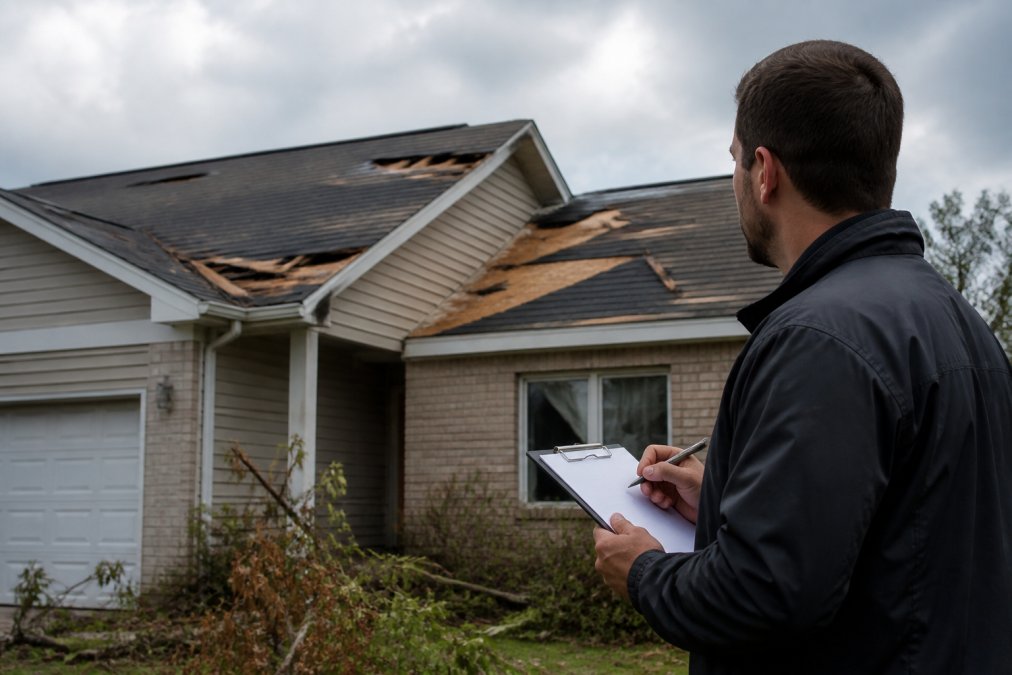
Missing shingles leave the roof deck and underlayment exposed to weather. Even a single missing shingle creates a pathway for water infiltration that can rot decking, compromise insulation, and damage interior ceilings and walls. Wind uplift during Indianapolis storms frequently tears shingles loose, especially on older roofing systems where adhesive strips have dried out.
4. Water Stains on Ceilings or Walls
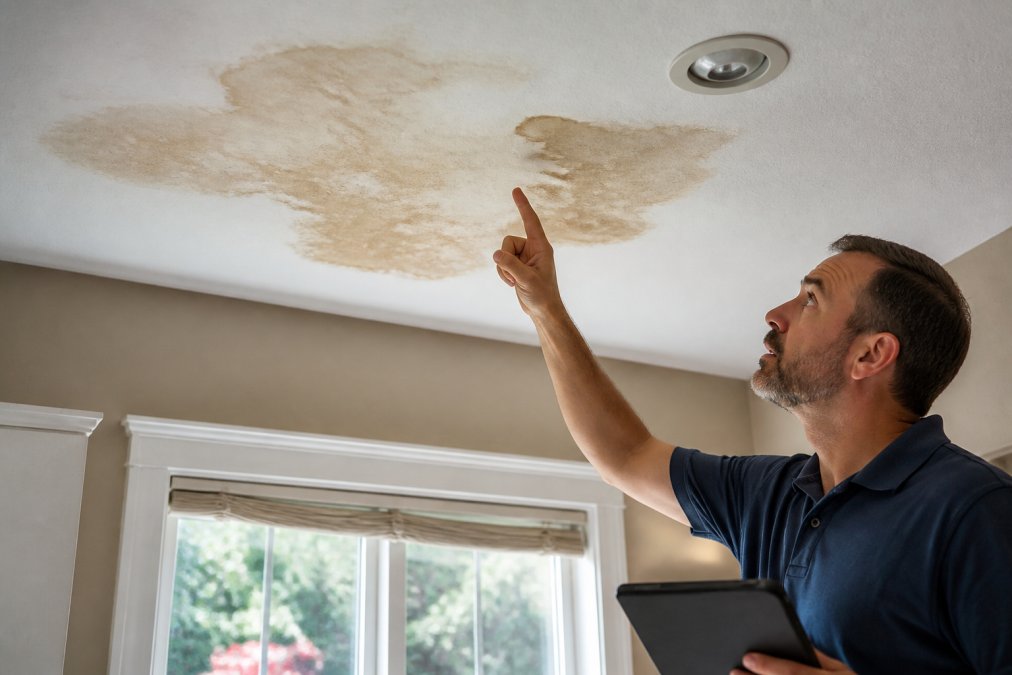
Brown, yellowish rings on your ceiling indicate that moisture has breached the roofing system and soaked into your home's interior structure. Water travels along rafters and joists before dripping down, so the actual leak source may be several feet away from the visible damage. Persistent staining after heavy rain warrants immediate roof inspection.
5. Visible Sagging or a Drooping Roof Deck
A sagging roofline is a structural emergency. Visible sagging means the decking has been compromised by prolonged moisture exposure, rot, or inadequate structural support. This requires replacement, not repair. Stand at the end of your driveway and look at the roofline, it should be straight and even. Any visible dips or waves need professional attention immediately.
6. Daylight Visible Through Roof Boards
Climb into your attic on a bright day and turn the lights off. If you can see daylight coming through roof boards, your roofing system has gaps significant enough to admit both light and water. This level of deterioration almost always means replacement.
7. Moss, Mold, or Algae Growth
Green or black streaking across shingles holds moisture against the surface, accelerating deterioration and working under shingles to damage the underlayment. Moss has root-like structures that physically lift shingles, creating gaps for water infiltration. In Indianapolis, humidity and tree canopy shade create ideal conditions for biological growth on north-facing sections. Treatment can extend the life of an otherwise sound roof, but growth on an aging roof often signals that replacement is more practical.
8. Damaged or Missing Flashing
Flashing is the metal barrier installed around chimneys, skylights, vents, and roof valleys to direct water away from vulnerable joints. When flashing corrodes, cracks, or pulls away, those joints become primary entry points for water infiltration. If surrounding shingles are also aging, replacing flashing on a roof due for replacement rarely makes financial sense.
9. Skyrocketing Energy Bills
A sudden increase in heating or cooling costs sometimes traces back to the roof. A failing roofing system with compromised underlayment and poor attic ventilation allows conditioned air to escape and outdoor air to infiltrate, forcing HVAC equipment to work harder. If energy bills have climbed without clear explanation, add the roof to your diagnostic checklist.
10. Your Roof Is 20+ Years Old
Roof age is the most underestimated roof replacement sign. Standard asphalt shingles carry a functional lifespan of roughly 20 to 30 years under normal conditions. A roof that's 20 or more years old is operating in its final phase of useful life, regardless of appearance. According to the National Roofing Contractors Association, age combined with visible deterioration is the most reliable indicator that replacement planning should begin.
How Long Does a Roof Last in Indiana
Most asphalt shingle roofs last between 20 and 30 years under typical conditions. The actual number depends on material quality, installation workmanship, maintenance history, and local climate exposure. Metal roofing and tile systems generally last longer, while three-tab asphalt shingles often fall closer to the 20-year mark.
How Indianapolis Weather Shortens Roof Lifespan
Indianapolis climate is hard on roofing systems. The city experiences all four seasons at extremes: hot, humid summers push attic temperatures to levels that accelerate shingle aging, while winters bring freeze-thaw cycles that expand and contract roofing materials repeatedly. This thermal shock weakens adhesive bonds and cracks shingles faster than in temperate climates.
Ice damming is a specific Indianapolis concern. When heat escapes through a poorly insulated roof deck and melts snow at the roof center, meltwater refreezes at colder eaves and creates an ice dam. Water backs up behind the dam and forces its way under shingles. Improving attic ventilation and insulation is the only reliable prevention.
Hail damage is another regional factor. Indianapolis sits in a corridor that sees significant hail events most years, stripping granules, cracking shingles, and compromising flashing in ways that aren't always visible from the ground. A professional roof inspection after any significant hail event is essential for accurate damage documentation before filing an insurance claim.
Roof Inspection Checklist 2026: How to Assess Your Roof Safely
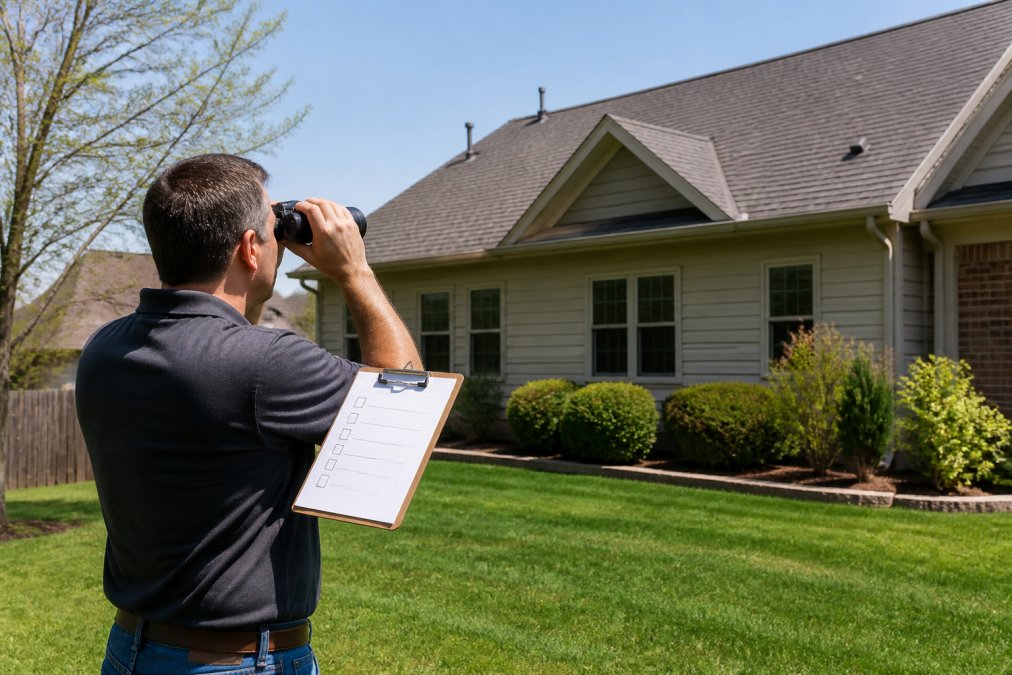
A roof inspection is something every homeowner can begin from the ground. The goal of a DIY inspection is to identify visible warning signs and document them before calling a professional.
DIY Inspection Safety Protocols
The most important rule: stay off the roof unless trained and equipped. Falls from roofs are a leading cause of serious injury among homeowners. According to the U.S. Consumer Product Safety Commission, ladders are involved in a significant share of home improvement injuries annually.
If you use a ladder to reach the roofline:
- Use a ladder rated for your weight plus tools
- Have a second person stabilize the base
- Never step onto the roof surface itself
- Avoid inspecting during or after rain, or when frost is present
What to Look for From the Ground
A pair of binoculars and a clear day give you a complete picture. Walk the perimeter of your home and look for curled, cupped, or buckled shingles; missing shingles or bare roof deck patches; granule loss showing as darker patches; sagging sections along the roofline; moss or algae streaking on north-facing slopes; damaged or lifted flashing around chimneys or vents; and gutters pulling away from the fascia.
What to Check in the Attic
The attic often reveals damage invisible from outside. On a bright day, turn off attic lights and look for daylight penetrating through roof boards. Then check for water stains or dark discoloration on rafters and decking, active moisture or dripping after rain, soft or spongy areas in decking, insufficient insulation depth, and blocked or inadequate attic ventilation.
| Inspection Area | What to Check | Red Flag |
|---|---|---|
| Shingles (exterior) | Curling, cupping, granule loss | Any of the three present |
| Roofline (exterior) | Straightness, no dips or waves | Visible sagging anywhere |
| Gutters | Granule accumulation, attachment | Heavy grit, pulling away |
| Flashing | Sealed, no gaps or rust | Lifted edges, corrosion |
| Attic | Daylight, staining, moisture | Any daylight or active wet spots |
| Attic ventilation | Airflow, no blockage | Condensation, heat buildup |
Repair vs. Replacement: How to Decide
The honest answer depends on two things: how much of the roof is affected and how old the roof already is.
A general rule used across the roofing industry is the 25% threshold. If damage affects less than 25% of the roof surface and remaining shingles are in reasonable condition with significant life left, targeted repair is often right. If damage is widespread, if the roof is within five years of the end of its expected lifespan, or if you've already repaired the same roof multiple times, replacement is almost always the better investment.
Repeated repairs on an aging roof add up quickly and none reset the clock on underlying shingles, decking, or underlayment. Full replacement with quality materials and proper installation gives you a known lifespan, a clean warranty, and the ability to address attic ventilation and insulation simultaneously.
If you're planning to sell in the next five years, a roof that's 22 years old and visibly aging will surface in every buyer's inspection report. Replacement before listing often returns more value than the cost in negotiating position alone.
Average Cost of Roof Replacement in Indianapolis
Roof replacement costs vary based on roof size, pitch, material selection, and the condition of existing decking. The National Association of Home Builders notes that roofing costs fluctuate with material availability and regional labor markets. Because every roof is different, the most reliable way to understand your specific project cost is to get a detailed written estimate from a licensed roofing contractor. At Roof Masters And Exteriors, we provide transparent, itemized estimates so you understand exactly what you're paying for before any work begins.
Insurance Claim Documentation: What to Gather Before You Call
If your roof has been damaged by hail, wind, or another covered event, documentation is everything. Before you call your insurance company, gather the date and details of the weather event, photographs from the ground documenting every visible sign of damage, attic photos if safely accessible, previous inspection or maintenance records, and a written contractor assessment from a licensed roofer.
The Insurance Information Institute recommends filing claims promptly after a storm event, as many policies include time limits on storm damage claims.
Roof Replacement Signs: When to Stop Waiting and Act
Waiting is the most expensive decision most homeowners make. A roof showing three or four warning signs above isn't a roof that might need replacement someday, it's actively failing. Every month of delay adds risk: water infiltration damages insulation and framing, mold establishes itself in wall cavities, and what started as a roofing project becomes a roofing plus structural repair project.
If your roof is over 20 years old and you're seeing curling shingles, granules in gutters, and water stains on interior ceilings, you have your answer.
Never make a decision based on price alone. Roof replacement is a long-term investment in your home's structural integrity, energy efficiency, and resale value. The contractor who communicates clearly, uses quality materials, and backs their work with a warranty is worth more than the lowest bid.
Roof replacement decisions affect your home's safety, comfort, and long-term value. The warning signs above are your early warning system, use them.
Knowing the roof replacement signs is the first step. Acting on them before minor deterioration becomes major structural damage protects your home and your budget. Roof Masters And Exteriors has served Indianapolis homeowners for over 35 years, combining expert craftsmanship with high-quality materials and a commitment to honest, transparent communication from the first inspection through project completion. Whether you need a thorough assessment of your current roof or a full replacement estimate, contact us today and get the clear answers your home deserves.
Frequently Asked Questions
What are the top signs my roof needs replacement in Indianapolis?
The clearest roof replacement signs are curling or buckling asphalt shingles, granules collecting in your gutters, water stains on interior ceilings, a sagging roof deck, and a roof that is 20 or more years old. Indianapolis homeowners should also watch for hail damage and ice damming after winter storms, since the local freeze-thaw cycle accelerates shingle deterioration faster than in milder climates. If you notice two or more of these signs together, schedule a professional inspection promptly.
What is the average life expectancy of an asphalt shingle roof in Indiana?
Standard three-tab asphalt shingles typically last 15 to 20 years in Indiana, while architectural or dimensional shingles can reach 25 to 30 years under good conditions. Indiana's climate, with its hot summers, cold winters, and frequent hail, creates thermal shock and ice damming that can shorten those ranges. Proper attic ventilation, quality underlayment, and routine maintenance all help a roofing system reach the upper end of its expected lifespan.
Should I repair or replace my roof if I see missing shingles?
A few isolated missing shingles after a storm can often be repaired if the surrounding roof deck and underlayment are still sound and the roof is under 15 years old. However, if missing shingles are widespread, the decking shows moisture damage, or the roof is nearing the end of its lifespan, a full replacement is the more cost-effective choice. A professional roof inspection will tell you whether water infiltration has already compromised the structural integrity beneath the surface.
What is the best time of year to schedule a roof replacement in Indiana?
Late spring through early fall, roughly May through October, offers the most favorable conditions for roof replacement in Indiana. Moderate temperatures allow asphalt shingles to seal properly, and dry weather reduces the risk of water infiltration during installation. That said, a reputable roofing contractor can complete replacements in cooler months when necessary. Scheduling early in the season helps you avoid the post-storm surge in demand that typically follows Indiana's spring hail season.
This article was written using GrandRanker