 how-to
How to Clean Clogged Gutters: A Step-by-Step Guide
Table of Contents
- Safety Precautions Before You Clean Clogged Gutters
- Gutter Cleaning Tools for Homeowners
- Step-by-Step: How to Clean Clogged Gutters
- How Often Should You Clean Gutters
- Signs of Gutter Damage to Watch For
- Gutter Guard Compatibility and Maintenance Considerations
- Professional Gutter Cleaning Cost Indianapolis
- Conclusion
Last Updated: August 29, 2026
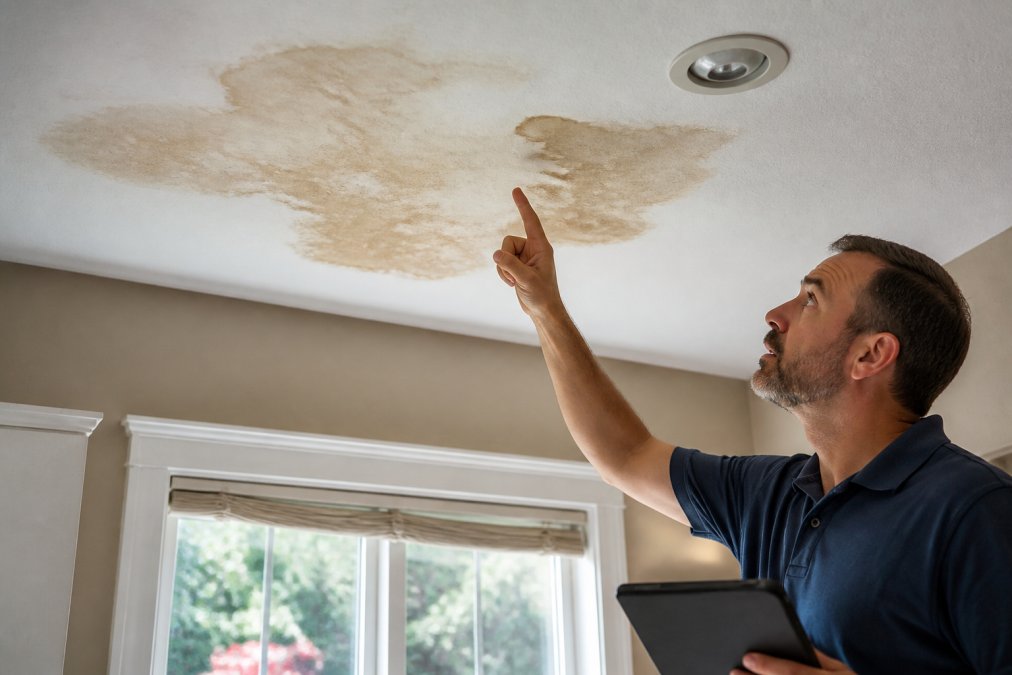
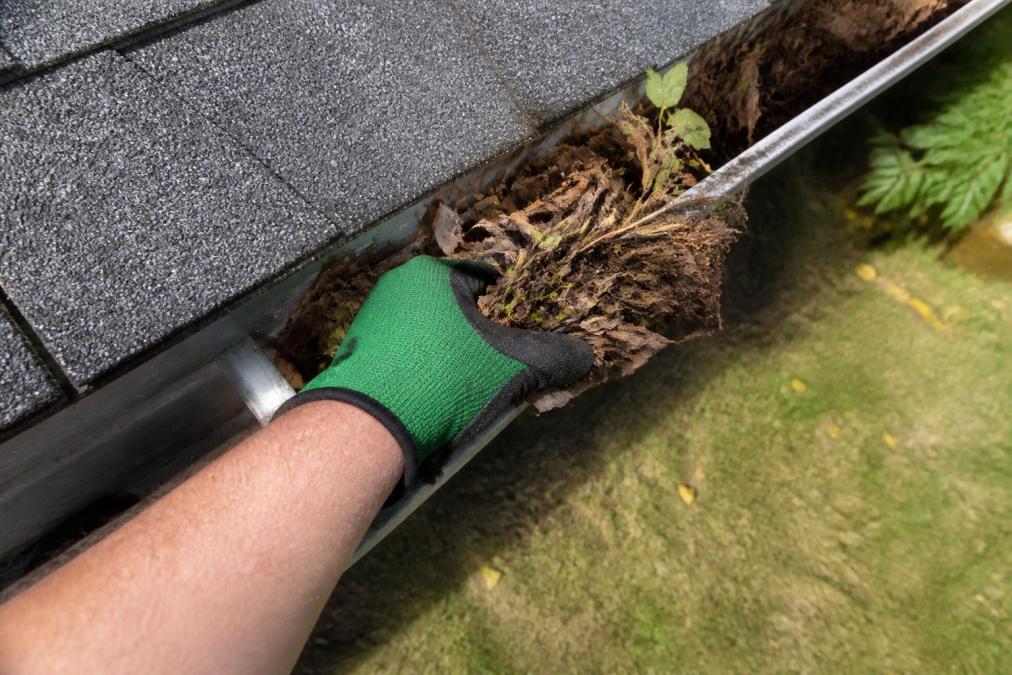
Clogged gutters are one of the most overlooked sources of serious home damage. This guide walks you through exactly how to clean clogged gutters safely and effectively, from the tools you need to the warning signs that mean it's time to call a professional.
Safety Precautions Before You Clean Clogged Gutters
Cleaning gutters is genuinely hazardous work. Falls from ladders are among the leading causes of home improvement injuries, and wet debris, sloped rooflines, and uneven ground make gutter work riskier than it looks.
Ladder Safety Basics
The biggest mistake homeowners make is using the wrong ladder or positioning it incorrectly. For single-story homes, a sturdy four-legged stepladder works well. For two-story homes, an extension ladder is necessary and must be rated for your weight plus tools.
Follow these positioning rules every time:
- Set the ladder on firm, level ground. Never prop it on soft soil or uneven pavers without stabilizers.
- Use the 4-to-1 rule: for every four feet of height, the base should be one foot away from the wall.
- Never lean or overreach. Move the ladder instead. Most falls happen when someone stretches to avoid repositioning.
- Have a second person hold the base whenever possible, especially on two-story homes.
Never place a ladder against the gutter itself. Gutters are not structural supports and will bend or detach under load.
Protective Gear You Should Always Wear
Spring cleaning often follows storms that leave gutters packed with wet, decomposing organic matter harboring mold, bacteria, and occasionally wasp nests.
Wear the following without exception:
- Work gloves: Thick rubber or nitrile gloves protect against sharp metal edges, splinters, and biological material.
- Protective eyewear: Safety glasses or goggles prevent debris from blowing into your eyes.
- Non-slip footwear: Rubber-soled work boots reduce slipping risk on wet rungs.
- Long sleeves: Protect your arms from gutter edges and debris contact.
A dust mask or N95 respirator is worth adding if gutters haven't been cleaned in more than a year.
Gutter Cleaning Tools for Homeowners
You don't need an expensive toolkit to clean gutters effectively, but using the right equipment makes the job faster and reduces damage risk.
Essential gutter cleaning tools for homeowners:
- Gutter scoop: A plastic scoop shaped to fit the gutter channel. Metal scoops can scratch and damage the gutter lining.
- Bucket with hook: Hang it directly from the ladder to collect debris without repeated climbing.
- Garden hose with gutter extension: A curved attachment that lets you flush gutters from ground level or ladder without awkward positioning.
- Wet/dry vacuum with gutter kit: Useful for dry debris removal.
- Plumbing snake: Essential for stubborn downspout clogs that won't clear with water pressure alone.
- Leaf blower with gutter attachment: Works well for dry leaves and light debris.
- Pressure washer: Effective for flushing, but use a low-pressure nozzle to avoid damaging gutter seams.
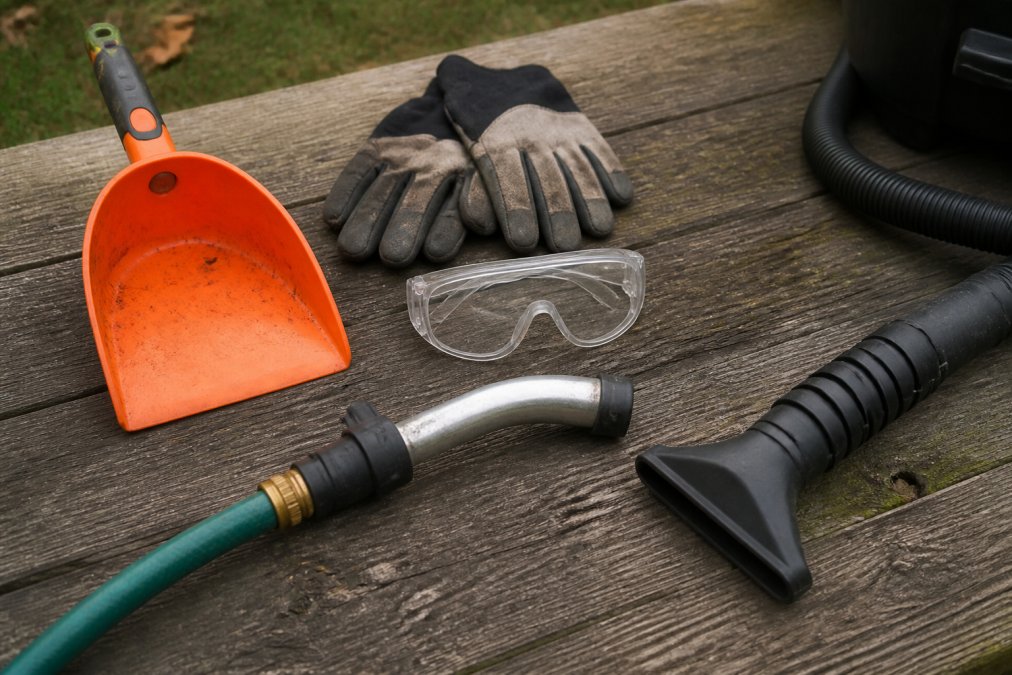
For most homeowners, a gutter scoop, garden hose, and wet/dry vacuum cover the majority of cleaning situations. The plumbing snake is the one tool people skip and later regret when a downspout clog won't budge.
Step-by-Step: How to Clean Clogged Gutters
Cleaning clogged gutters follows a clear sequence: remove solid debris first, then clear the downspout, then flush the entire system. Working out of order just pushes clogs deeper.
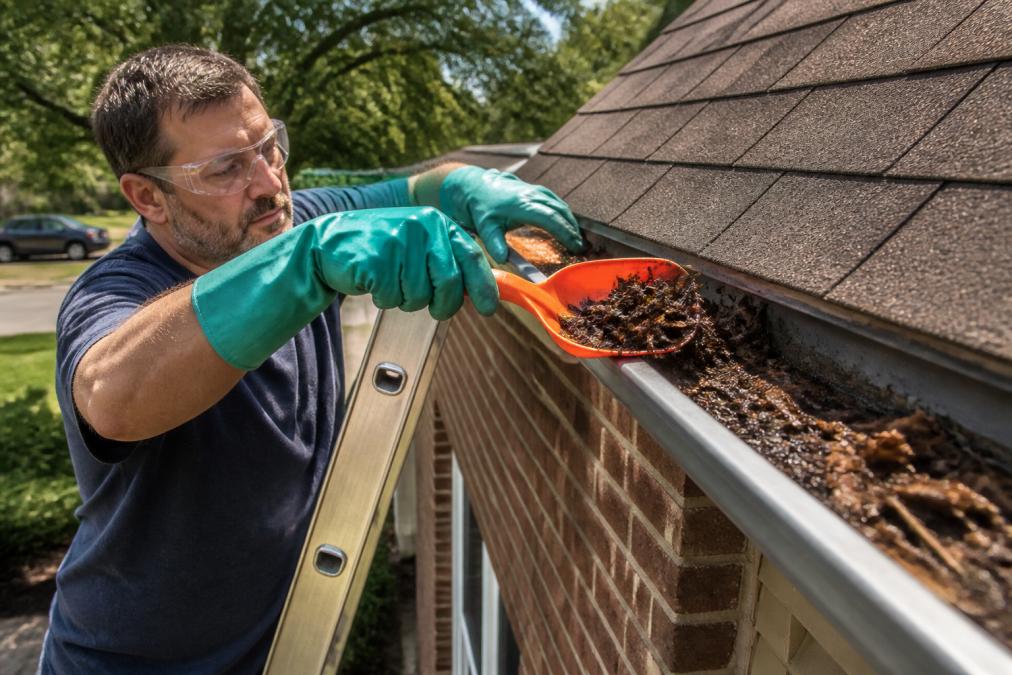
Step 1: Remove Loose Debris by Hand or Gutter Scoop
Start at the end of the gutter farthest from the downspout and work toward it. This pushes material toward the drain rather than packing it in from the wrong direction.
Use your gutter scoop to lift out compacted leaves, shingle grit, and sediment. Drop debris into your hanging bucket rather than letting it fall below. A heavy layer of granules from asphalt shingles signals that your roof may be nearing the end of its useful life.
Step 2: Clear and Flush the Downspout
A downspout clog is often the root cause of an overflowing gutter, and it's not always visible from the top.
Start by feeding a garden hose directly into the downspout opening at full pressure. If water backs up immediately, the clog is near the top. If it drains slowly, the obstruction is lower, possibly at a downspout elbow.
For persistent clogs, insert a plumbing snake into the downspout from the top, feed it down until you feel resistance, then rotate to break up the clog. Flush again with the hose to confirm the blockage is clear. Check the downspout elbow at the bottom, where debris frequently accumulates at bends.
According to the International Association of Certified Home Inspectors, downspout clogs are one of the most common gutter-related defects found during home inspections.
Step 3: Flush the Entire Gutter System
Once the downspout is clear, flush the full gutter run with a garden hose starting at the far end from the downspout. Watch for water flow moving steadily toward the downspout without pooling, seam leaks dripping from joints, and gutter pitch issues where water stands in the channel. A properly pitched gutter drops roughly a quarter inch for every ten feet of run toward the downspout.
Step 4: Inspect for Damage and Debris Disposal
After flushing, walk the full gutter line and check for rust spots or holes in metal gutters, cracks in vinyl gutters, pulled or missing gutter spikes and hangers, separation at seams, and fascia board damage behind the gutter.
For debris disposal, bag the material and place it with yard waste according to your local collection guidelines. Indianapolis residents can check the City of Indianapolis solid waste and recycling guidelines for current yard waste disposal schedules.
How Often Should You Clean Gutters
The standard recommendation is twice per year: once in late spring after tree pollen and seed pods have fallen, and once in late fall after the leaves have dropped.
In Indianapolis, fall is particularly hard on gutters. The combination of heavy leaf drop from hardwood trees and early freeze cycles means gutters can go from manageable to completely blocked within two to three weeks in October and November.
A practical Indianapolis schedule:
| Cleaning Window | Timing | Primary Goal |
|---|---|---|
| Spring | Late April to mid-May | Clear winter debris, seed pods, pollen buildup |
| Fall (first pass) | Late October | Remove bulk leaf debris before first freeze |
| Fall (second pass) | Mid-November | Final clearance after late-dropping trees |
| After major storms | As needed | Clear storm debris, check for damage |
Homes with trees overhanging the roofline directly may need quarterly cleaning. Homes with minimal tree coverage can sometimes manage with a single thorough fall cleaning plus a spring check.
Signs of Gutter Damage to Watch For
Gutter damage often hides in plain sight. The most common signs include sagging sections indicating failed gutter hangers or rotted fascia, peeling paint or staining on fascia from water overflow or leaks, rust streaks or orange discoloration from failed protective coating, cracks and splits in vinyl gutters, separated seams from degraded sealant, mold or mildew on exterior walls below gutters from chronic overflow, and pooling water near the foundation from gutters directing water toward the home.
A gutter showing multiple signs of damage simultaneously is usually past the point of repair and should be replaced.
Gutter Guard Compatibility and Maintenance Considerations
Gutter guards reduce the frequency of cleaning and prevent large debris from entering the channel, but they do not eliminate maintenance. Fine debris, shingle grit, and seed pods can still accumulate on top of the guard mesh or work their way through it. Gutters with guards still need flushing and inspection at least once per year.
Before installing any guard system, confirm that the downspout opening remains accessible for snaking and clog prevention. For homes with existing guards, always check the manufacturer's maintenance instructions before using a pressure washer.
According to the U.S. Department of Housing and Urban Development's home maintenance guidance, regular gutter and drainage maintenance is a key component of protecting a home's structural integrity over time.
Professional Gutter Cleaning Cost Indianapolis
Some gutter situations are simply beyond safe DIY reach: two-story and three-story homes, gutters with significant structural damage, or systems that haven't been touched in several years and are packed solid.
The cost of professional gutter cleaning in Indianapolis varies based on linear footage of the gutter system, the number of stories, the degree of clogging, and whether downspout clearing or minor repairs are included. Getting a direct quote from a local contractor is the most reliable way to understand what your project will cost.
What you should expect from a professional service: full debris removal from gutters and downspouts, flushing of the complete system to confirm drainage, a basic inspection for visible damage, sagging, and seam failures, and disposal of all collected debris.
For homes with gutter damage beyond cleaning, repairs typically involve re-securing loose hangers, resealing seams, re-pitching sagging sections, or replacing failed sections entirely. If you're searching for reliable gutter cleaning near me in Indianapolis, look for contractors who provide a written scope of work, confirm they carry liability insurance, and will walk you through any damage they find before proceeding with repairs.
According to the National Roofing Contractors Association's homeowner maintenance resources, gutters and drainage systems should be inspected and cleaned as part of a routine annual exterior maintenance plan to prevent water intrusion and structural damage.
| Gutter Problem | Likely Cause | Recommended Action |
|---|---|---|
| Overflowing gutters | Clogged debris or downspout | Clean and flush system |
| Sagging section | Failed hangers or rotted fascia | Re-secure hangers or replace fascia |
| Leaking seams | Degraded sealant | Reseal with gutter sealant |
| Water pooling in channel | Incorrect gutter pitch | Re-pitch affected section |
| Foundation water pooling | Blocked or missing downspout extension | Clear downspout, add extension |
| Rust or holes in metal gutters | Age and coating failure | Patch or replace section |
Clogged gutters are a manageable problem when caught early and a costly one when ignored. The step-by-step process in this guide covers the full cleaning sequence, but there are situations where the right call is bringing in a professional, particularly on multi-story homes, after storm damage, or when structural issues are involved. Roof Masters And Exteriors offers gutter cleaning, repair, and replacement services throughout Indianapolis and surrounding areas, backed by over 35 years of experience and a commitment to honest assessments before any work begins. Contact us today to schedule an inspection and protect your home's exterior before the next season creates a bigger problem.
Frequently Asked Questions
When is the best time of year to clean gutters in Indiana?
Indiana homeowners should clean gutters at least twice a year: once in late November after the leaves have fully fallen, and again in early spring around March or April. The heavy leaf drop from oak and maple trees common across central Indiana makes the fall cleaning especially important. If you have pine trees nearby or experienced a severe storm, a third cleaning mid-summer is worth scheduling to prevent clogged drainage before summer thunderstorms hit.
How do you unclog a downspout that goes into the ground?
Start by disconnecting the downspout elbow at ground level and running a garden hose into the underground drain to test flow. If water backs up, feed a plumbing snake into the pipe to break up the clog. For stubborn blockages, a pressure washer with a sewer jetting attachment can clear compacted debris. If the underground drain connects to a French drain or municipal storm system, contact a licensed plumber before using high-pressure water, as it can damage older pipe joints.
What is the best way to clean gutters you can't easily reach?
A gutter extension attachment on a wet/dry vacuum or a leaf blower with a curved nozzle lets you clean gutters from the ground without climbing a ladder. Telescoping wand attachments connect to a standard garden hose and deliver enough water pressure to flush debris toward the downspout. These tools work well for single-story homes. For two-story homes or steep rooflines, hiring a professional with the right ladder equipment is the safer choice.
How much does professional gutter cleaning cost in Indianapolis?
Professional gutter cleaning cost in Indianapolis varies based on the linear footage of your gutters, the number of stories, and how clogged the system is. Homes with gutter guards or significant debris buildup typically cost more to service. Because pricing depends on your specific property, the best approach is to contact a local gutter professional directly for an accurate quote rather than relying on regional averages that may not reflect your home's actual scope of work.
This article was written using GrandRanker