 how-to
How to Handle Storm Damage Claims: A Step-by-Step Guide
Table of Contents
- What to Do Immediately After a Storm
- How to Document Roof Storm Damage for Your Claim
- Reporting the Claim to Your Insurance Company
- Working with Insurance Adjusters and Public Adjusters
- Average Timeline for Roof Insurance Claims and Deadlines
- Minor Hail Damage Roof Repair Cost and Coverage
- Handling Denied or Underpaid Storm Damage Claims
- Mitigation and Temporary Repairs to Prevent Further Damage
- Frequently Asked Questions
Last Updated: August 31, 2026
When a severe storm hits, knowing how to handle the damage claim transforms a stressful situation into a manageable process. This guide from Roof Masters And Exteriors walks you through every step of filing and managing your claim, from the moment the storm passes through settlement.
The difference between a claim that gets approved quickly and one that drags on for months often comes down to preparation. Homeowners who document damage thoroughly, report promptly, and understand the claims process get better results.
What to Do Immediately After a Storm
The first hours after a storm are critical. Your immediate actions determine how well your insurance company can assess the damage and how quickly you can begin repairs.
Ensure everyone's safety first. Check for downed power lines, gas leaks, and structural hazards. If the damage is severe or you smell gas, call emergency services immediately.
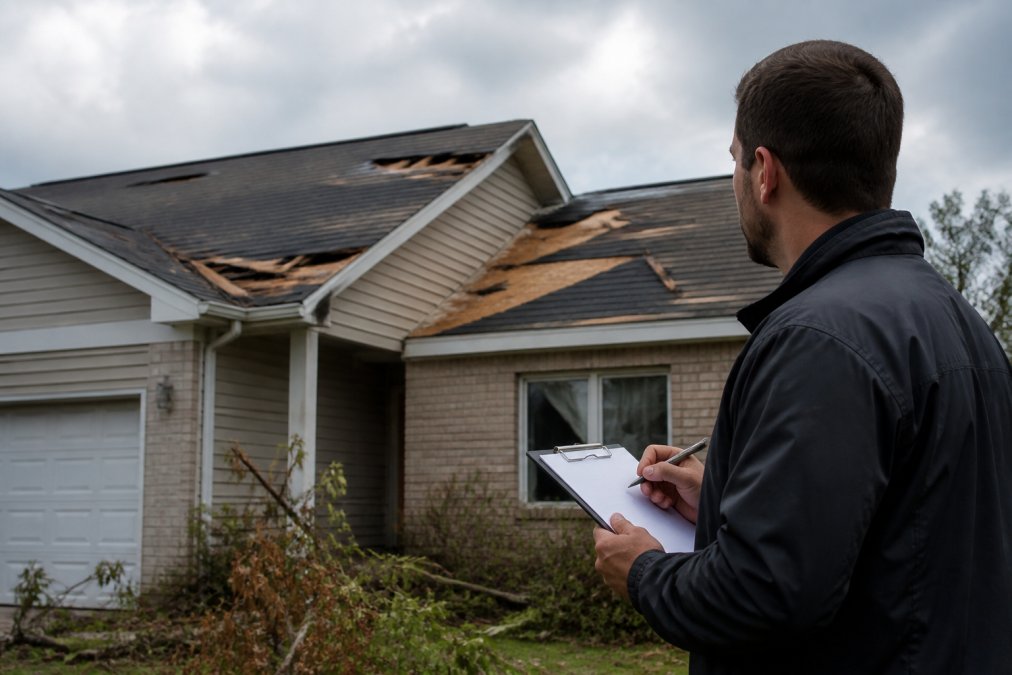
Document the current condition by taking photos and videos of all visible damage before you touch anything. Photograph overall property views, close-ups of specific damage areas, and any debris. Store these files in the cloud or email them to yourself. Contact your insurance company within 24-48 hours with your policy number ready, reporting what happened, when, and which areas were affected.
If there's immediate danger of further damage, water pouring through the roof or a tree threatening to fall, take emergency action. This mitigation is typically required by your insurance policy. Document what you do and keep receipts for any emergency repairs.
How to Document Roof Storm Damage for Your Claim
Documentation is the foundation of a successful claim. Insurance adjusters rely on clear evidence of what the storm damaged.
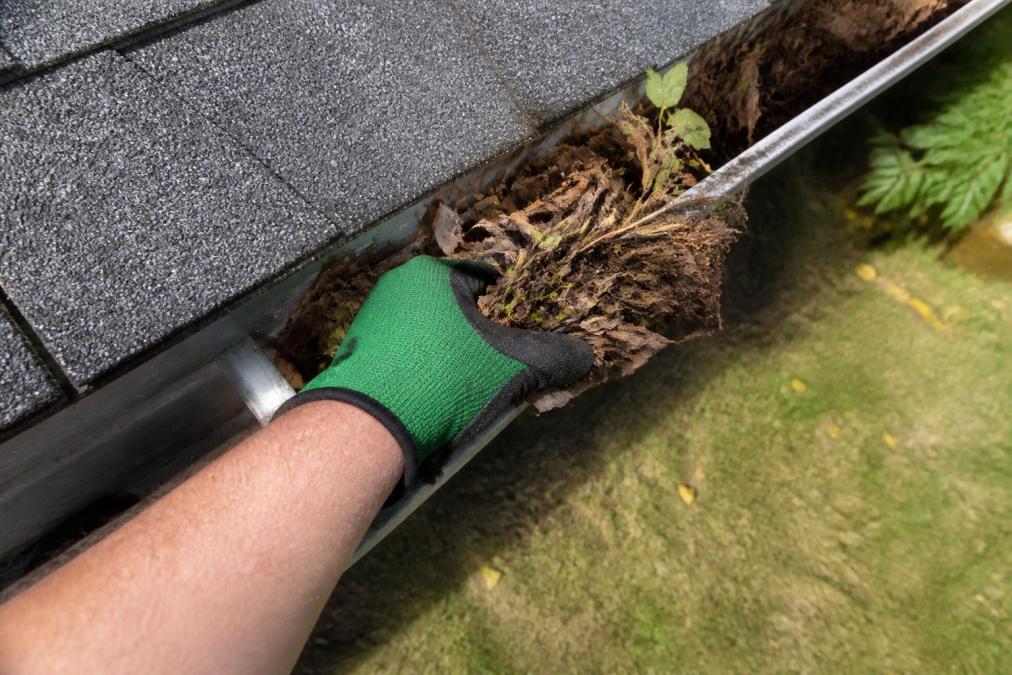
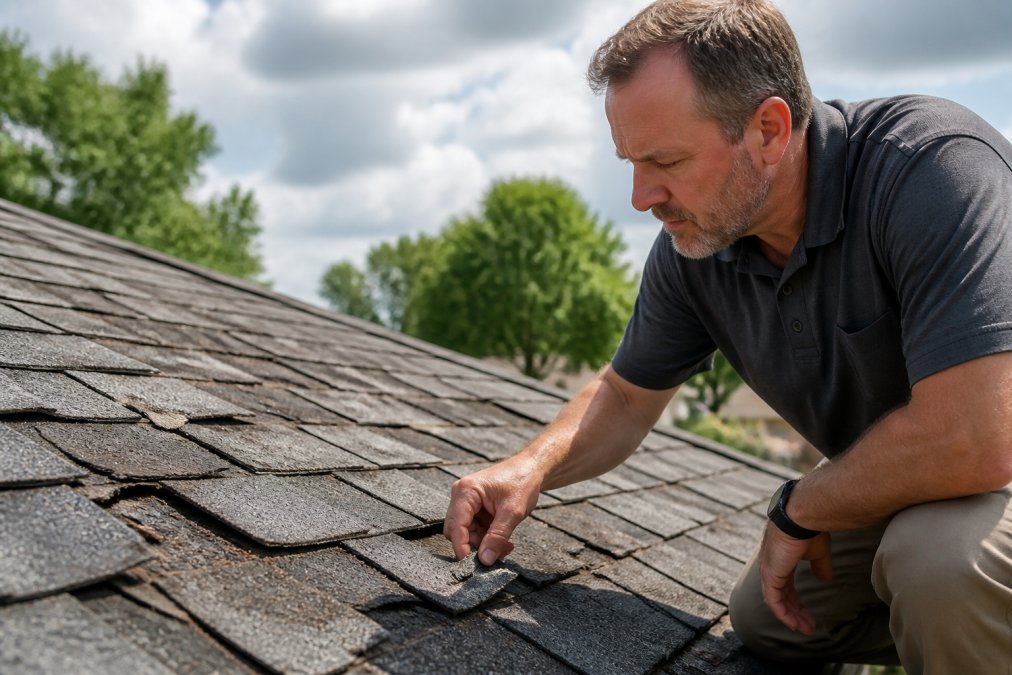
Start with exterior shots showing your roof from the ground and close-up photos of specific damage: hail dents in shingles, torn or missing shingles, bent gutters, damaged flashing, or compromised siding. Use a measuring tape or coin in the photo to show scale.
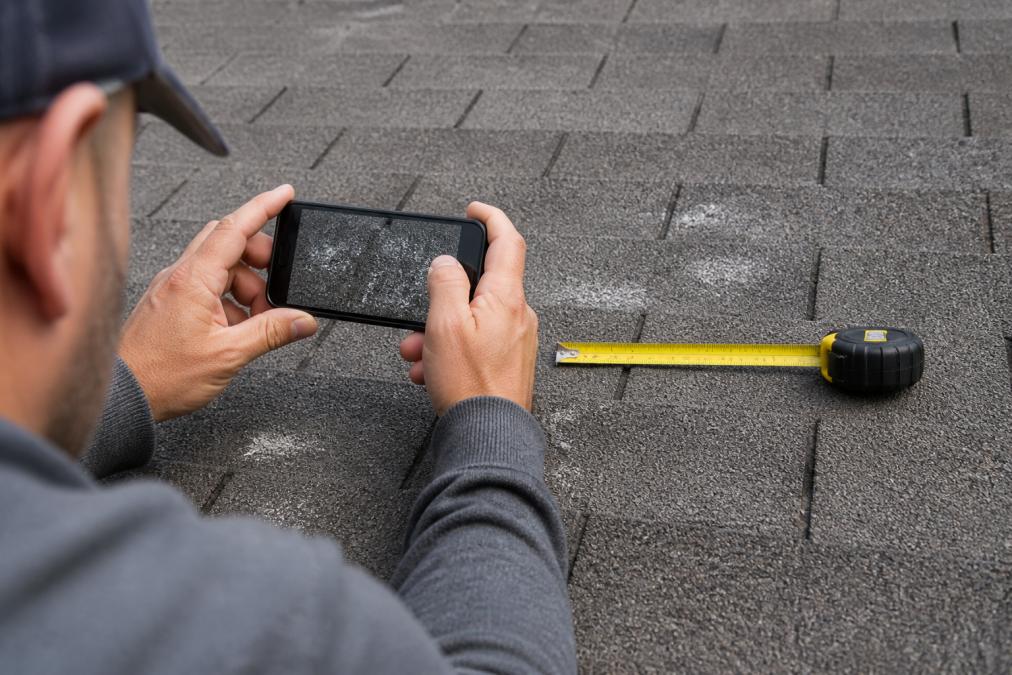
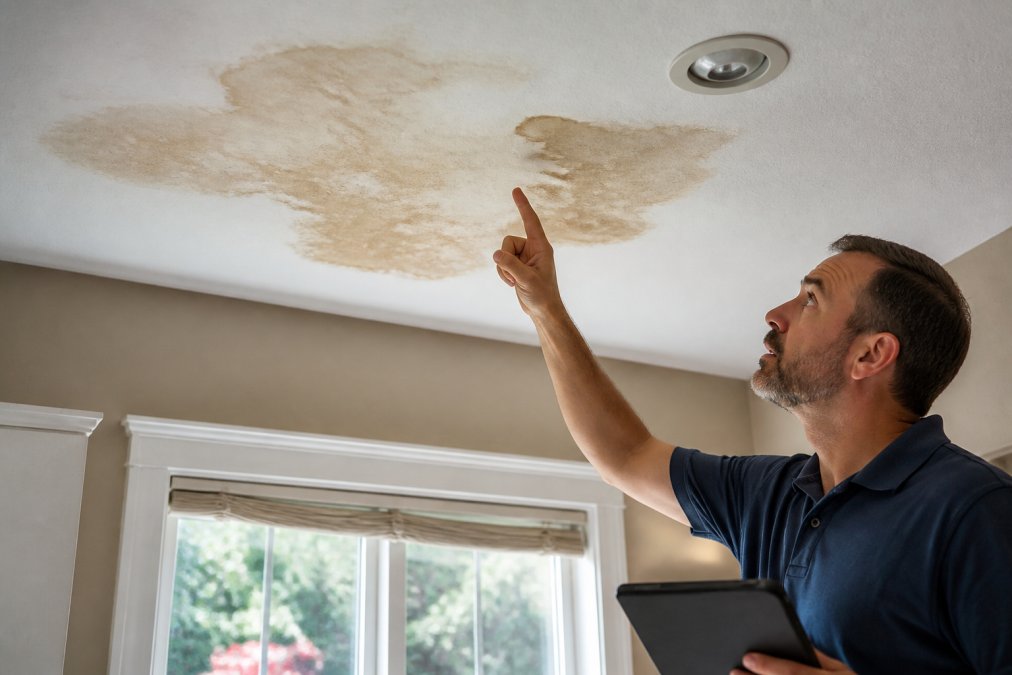
Document interior damage too. If water has entered your home, photograph wet walls, ceilings, insulation, and flooring. Create a written inventory of damaged items with location and purchase date if possible. For high-value items, include photos and receipts.
Get contractor estimates from roofing companies in Indianapolis. Most provide free assessments. Having multiple estimates supports settlement negotiations and shows the adjuster realistic repair costs.
Keep all receipts and records organized in a folder (physical or digital) for quick reference.
Reporting the Claim to Your Insurance Company
Once you've documented the damage, file the formal claim with your insurance company.
Call your insurance agent or the claims line with your policy number, the date and time of the storm, a description of what was damaged, and your contact information. Write down the claim number you receive. Submit your proof of loss within the timeframe specified in your policy, typically 30-60 days (iii.org). Include your photos, contractor estimates, and inventory. Be thorough but factual.
Request a claims adjuster visit. Be present during the inspection, walk the adjuster through the damage, and ask questions about their assessment. If you disagree with their estimate, request a second opinion or hire a public adjuster.
Working with Insurance Adjusters and Public Adjusters
An insurance adjuster works for your insurance company and assesses damage to determine the payout. A public adjuster works for you, reviewing the insurance company's assessment and negotiating on your behalf. They typically charge 5-10% of the settlement increase they achieve (naic.org).
When the insurance adjuster visits, have your documentation ready and walk them through the damage systematically. Request a detailed written estimate. If you disagree with their assessment, submit a written dispute with supporting evidence. You can request appraisal or mediation, or hire a public adjuster to negotiate further.
Working with a professional like Roof Masters And Exteriors during this process helps. We provide detailed contractor estimates that support your claim and explain to the adjuster exactly what repairs are necessary.
Average Timeline for Roof Insurance Claims and Deadlines
Most insurance claims move through these phases: filing (1-2 days), adjuster assignment and inspection (3-7 days), estimate review (5-10 days), and settlement (7-30 days). A straightforward claim typically takes 2-4 weeks. Complex claims or disputed estimates can take 2-3 months.
You usually have 30-60 days to report the claim after the loss occurs and 30-90 days to submit your proof of loss. The insurance company has 30-45 days to respond with their estimate (naic.org). If you dispute their estimate, appraisal or mediation can add another 30-60 days.
Keep your own timeline documenting when you called the insurance company, when the adjuster visited, when you submitted documents, and when you heard back.
Minor Hail Damage Roof Repair Cost and Coverage
Hail typically creates dents in shingles and gutters. Small dents (less than 1 inch) in asphalt shingles may not trigger coverage if they don't affect the roof's function. Larger dents, missing granules, or cracks are usually covered.
Your coverage depends on your policy's deductible and coverage limits. If your deductible is $1,000 and the repair cost is $1,200, you pay $1,000 and the insurance company pays $200.
Some policies cover replacement cost (what it costs to replace the damaged item new), while others cover actual cash value (replacement cost minus depreciation). Newer roofs get higher settlements because they have less depreciation.
If your roof is near the end of its lifespan and hail damage is extensive, your insurance company might offer to replace the entire roof rather than repair sections. This is often a better outcome if the roof was aging anyway.
Handling Denied or Underpaid Storm Damage Claims
Insurance companies deny claims when the damage isn't covered under the policy, the claim was filed too late, the damage was pre-existing, or the damage doesn't meet the coverage threshold. They underpay when they believe the repair cost is less than the contractor's estimate or interpret policy language differently.
If your claim is denied, request a written explanation. Submit a written appeal with additional evidence: photos, contractor estimates, or a professional engineer's report. You can request appraisal, hire a public adjuster, or consult an attorney if the claim amount is substantial.
Mitigation and Temporary Repairs to Prevent Further Damage
Mitigation means taking reasonable steps to prevent additional damage after the initial loss. If your roof is damaged and it's raining, water will enter your home and damage walls, insulation, and contents.
Temporary repairs are covered by most policies. You can hire a contractor to tarp the roof, board windows, or make emergency repairs without waiting for the adjuster's approval. Keep all receipts; these are covered as part of your claim.
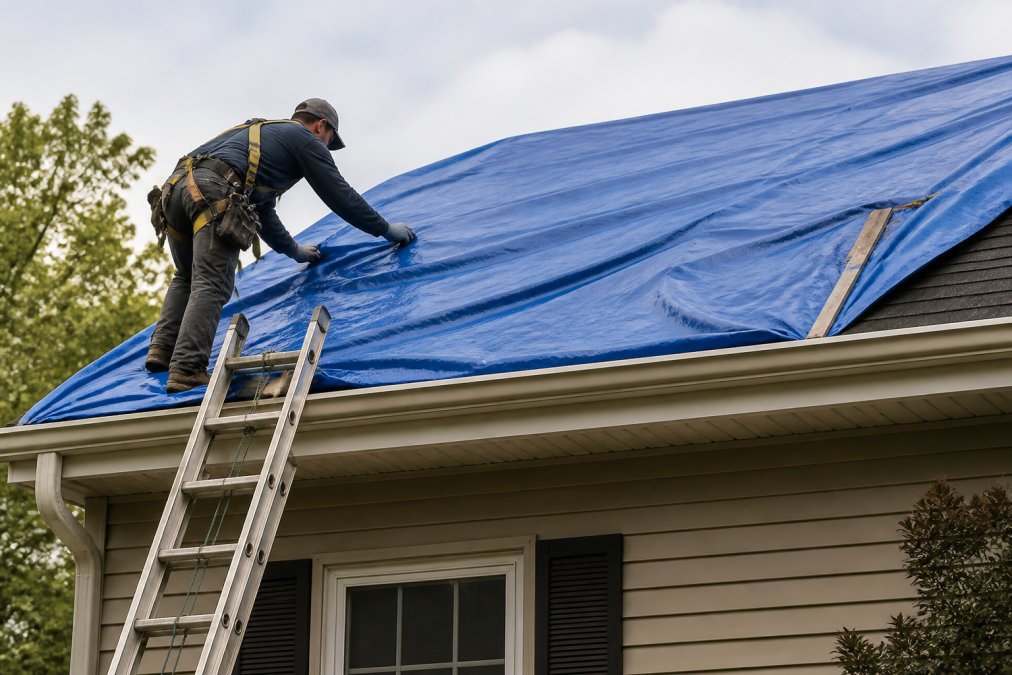
Don't climb on a damaged roof yourself if you're not trained. Hire a professional contractor. Document all mitigation work with photos before and after temporary repairs, and keep receipts and invoices.
Don't delay permanent repairs too long. Most insurance companies expect permanent repairs to begin within 30-60 days. Delaying repairs can raise questions about the urgency of the claim.
Filing an insurance claim after storm damage requires organization, documentation, and persistence. Start immediately, document thoroughly, report promptly, and don't accept a settlement you believe is unfair. If you're dealing with roof damage in Indianapolis or the surrounding areas, Roof Masters And Exteriors can help. We provide detailed damage assessments, contractor estimates that support your claim, and guidance through the entire claims process. Our 35+ years of experience means we understand how insurance companies evaluate damage and what documentation they need. Contact us today for a free storm damage assessment and claim support.
Frequently Asked Questions
Q: How long do I have to file a storm damage claim in Indiana?
A: Indiana law does not set a specific deadline for filing homeowners insurance claims, but most homeowners policies require you to report damage promptly, typically within 30 to 60 days. The statute of limitations for filing a lawsuit against your insurer is generally three years from the date of loss. Don't delay reporting; the longer you wait, the harder it is to prove the damage was storm-related and not from pre-existing conditions. Contact your insurance agent immediately after a storm to start the claims process.
Q: What should you not say to a claims adjuster?
A: Avoid admitting fault, speculating about causes, or exaggerating damage. Don't say things like 'I think the roof was already damaged' or 'I'm not sure how much it will cost to fix.' Never agree to a settlement on the spot without reviewing your policy and getting contractor estimates. Don't volunteer information about previous claims or repairs. Stick to facts: describe what you saw, when the storm occurred, and what damage resulted. If you're unsure about something, say you'll follow up with documentation rather than guessing.
Q: Will a storm damage claim make your rates go up?
A: Storm damage claims are typically treated differently than at-fault accidents or claims you caused through negligence. Many insurers do not raise rates for weather-related claims, especially if it's your first claim in several years. However, rates vary by insurer and state. Some companies may increase premiums slightly or impose a surcharge. Review your policy or contact your insurance agent to understand your specific coverage and rate impact. Filing a claim is still usually the right choice, that's what insurance is for, but ask your agent about the potential rate impact before filing if you're concerned.
Q: What is the difference between a public adjuster and a company adjuster?
A: A company adjuster works for the insurance company and determines how much they will pay on your claim. A public adjuster works for you (the policyholder) and negotiates on your behalf to maximize your settlement. Public adjusters charge a fee, typically 5-10% of the final settlement. They're most useful for large, complex claims or if your insurer denies or underpays you. For straightforward claims, a company adjuster may be sufficient. If your claim is denied or you believe the settlement is unfair, hiring a public adjuster can help you appeal and fight for better coverage.
This article was written using GrandRanker