 listicle
Commercial Flat Roof Maintenance Contracts: 2026 Guide
Table of Contents
- What Commercial Flat Roof Maintenance Contracts Cover
- Commercial Roof Maintenance Checklist: Essential Tasks
- Commercial Roofing Preventative Maintenance Benefits
- Commercial Roof Inspection Cost and Frequency
- Maintenance Contract Tiers and What to Expect
- How to Choose the Right Maintenance Provider
- Conclusion: Protecting Your Commercial Roof Investment
Last Updated: August 30, 2026
What Commercial Flat Roof Maintenance Contracts Cover
A commercial flat roof maintenance contract is a service agreement between a property owner and a roofing contractor that outlines regular inspections, preventative care, and minor repairs to keep your roof in working condition. Rather than waiting for leaks to appear, maintenance contracts establish a predictable schedule of professional attention that catches small problems before they become expensive emergencies.
Most programs include scheduled roof inspections (typically twice yearly), debris and leaf removal from the membrane and drainage systems, gutter and drain cleaning, visual checks of flashing and seams, and documentation of the roof's condition with photos. Some contracts include minor repairs on the spot, patching small punctures, resealing flashings, or clearing blocked drains, while others require separate quotes for repairs beyond basic maintenance.
A solid maintenance contract provides transparency: you receive a written condition report after every visit detailing what was inspected, what was found, and what's recommended next. This documentation protects your warranty compliance, supports your insurance claim process, and gives you a clear timeline for when major work like roof replacement might become necessary. At Roof Masters And Exteriors, we prioritize this kind of detailed reporting so facility managers have the evidence they need to make informed decisions about their roofing assets.
The best contracts address your specific climate and building type. Flat roofs in the Indianapolis area face unique challenges, standing water after heavy rain, UV damage from intense summer sun, and thermal stress from seasonal temperature swings. A contract designed for your region accounts for these pressures and schedules inspections when damage is most likely to occur.
Commercial Roof Maintenance Checklist: Essential Tasks
Here's what a comprehensive maintenance program should address during each inspection visit:
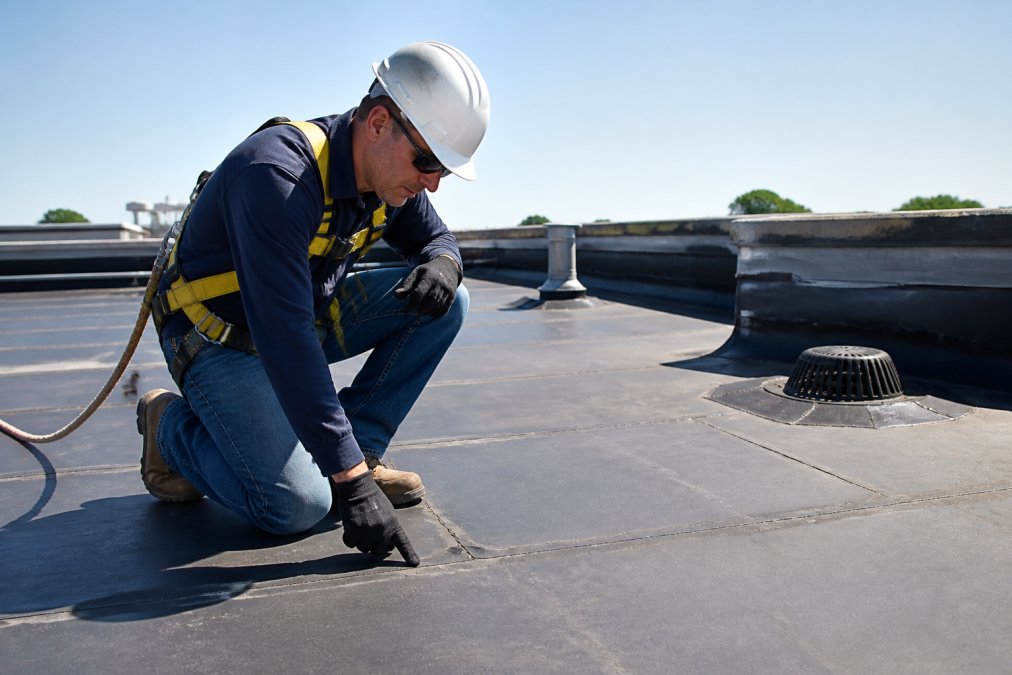
Membrane and Surface Inspection Walk the entire roof surface and look for blisters, cracks, punctures, or areas where the membrane is separating from the substrate. Small damage caught early prevents water infiltration that can spread inside walls and cause structural rot.
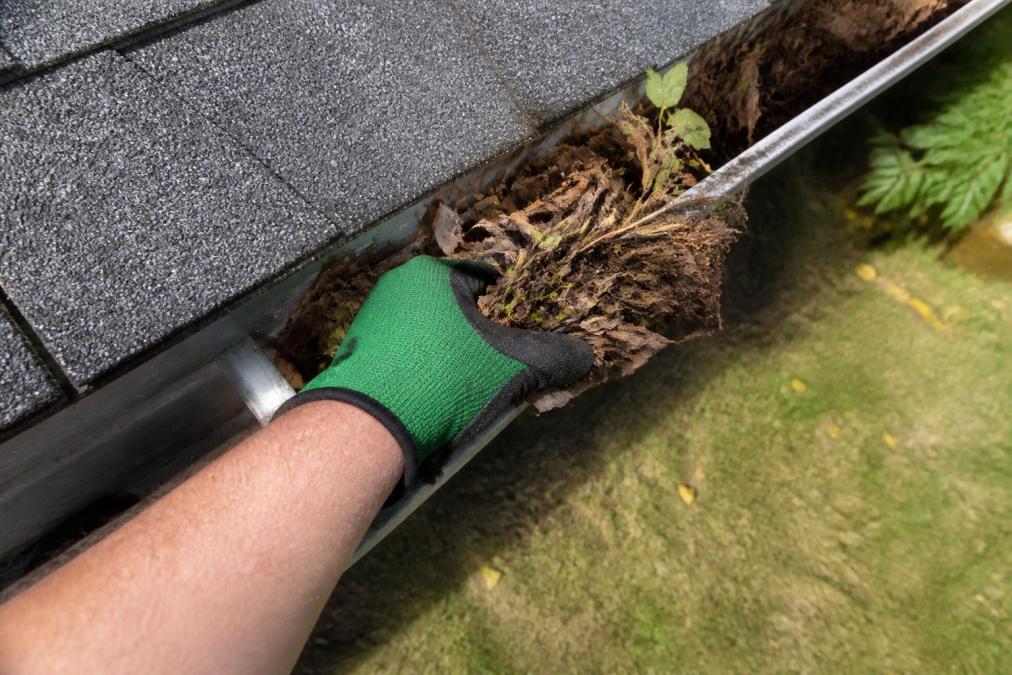
Drainage System Assessment Standing water on a flat roof is the enemy. Check that all drains, scuppers, and gutters are clear of debris, leaves, dirt, and sediment accumulate quickly and block water flow. Blocked drains force water to pool, increasing weight on the membrane and creating conditions for leaks and mold growth.
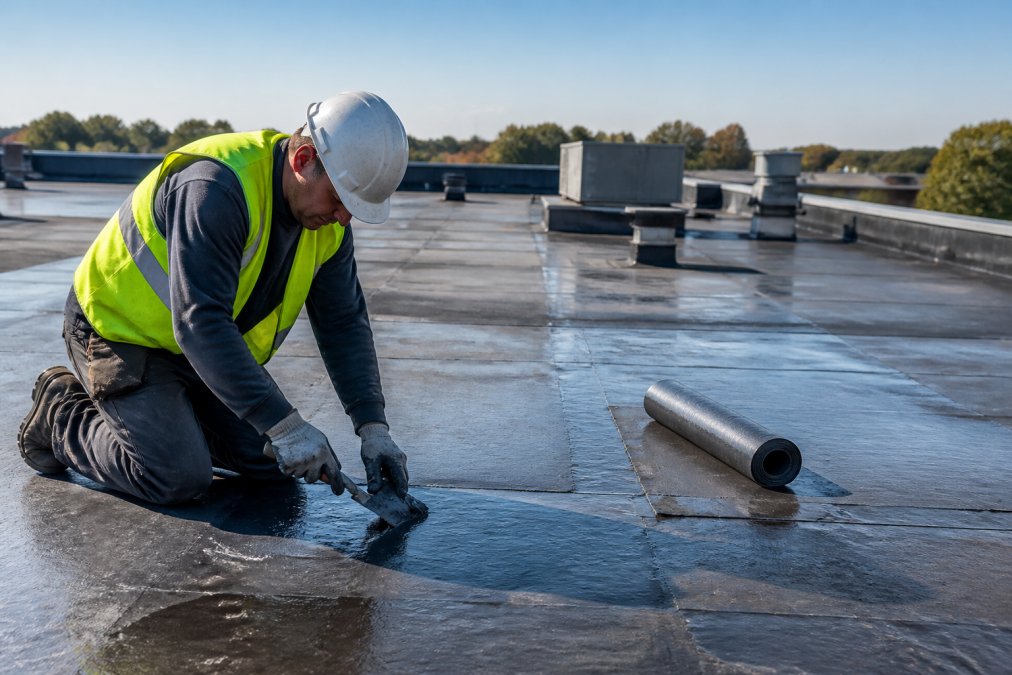
Flashing and Seam Evaluation Examine where the roof membrane meets walls, HVAC units, pipes, and other penetrations. Flashing failures are responsible for many commercial roof leaks. Look for gaps, separation, deterioration of sealant, or rust on metal flashing. Resealing or patching these areas during maintenance prevents water from entering the building.
Roof Coating and Weatherproofing If your roof has a reflective coating or protective layer, check for peeling, chalking, or areas where the coating has worn away. These coatings extend roof life and improve energy efficiency. Reapplication may be needed every 5-10 years depending on the coating type and weather exposure (peer-reviewed research).
HVAC and Equipment Inspection Verify that roof-mounted equipment is secure, that roof penetrations around equipment are properly sealed, and that nothing is sitting directly on the membrane. Equipment vibration and thermal movement can damage the roof around it over time.
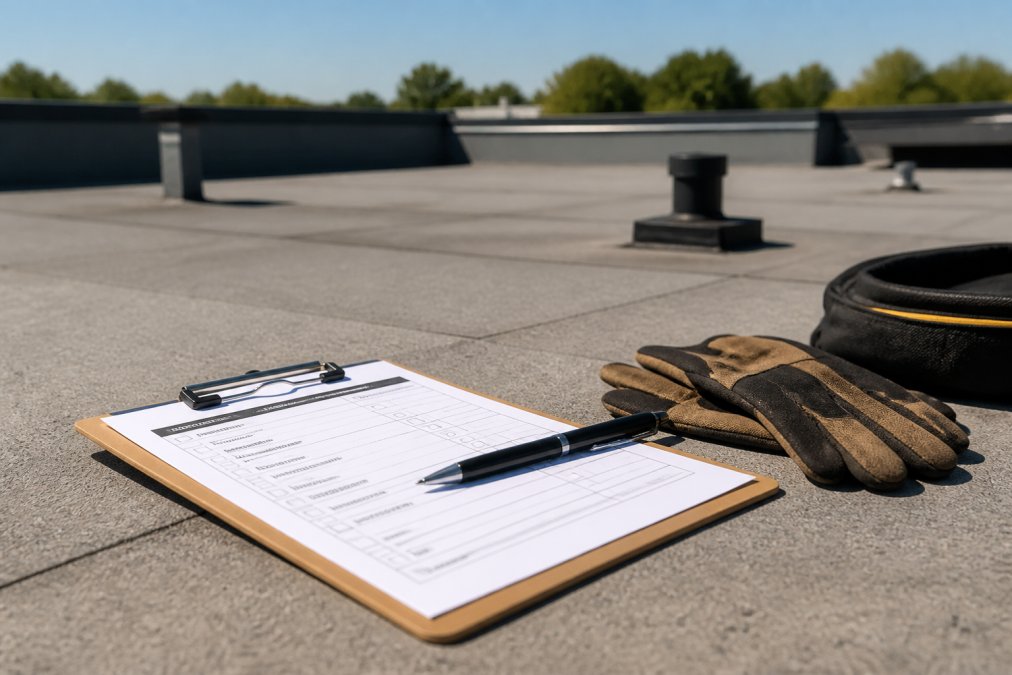
Documentation and Reporting The inspection should conclude with a written report, ideally with photos, that documents the roof's condition, lists any repairs completed, identifies items needing attention, and recommends a timeline for future work. This record becomes invaluable if you need to file an insurance claim or justify a roof replacement to building ownership.
Commercial Roofing Preventative Maintenance Benefits
Buildings with active maintenance contracts avoid sudden $50,000+ emergency replacements that catch facility managers off guard (the CDC). Instead, you see smaller, predictable service costs spread across the year, and you know exactly when major work will be needed.
Preventative maintenance also protects your roof warranty. Most manufacturers require documented regular inspections and maintenance to honor their warranty terms. If a leak occurs and you haven't maintained the roof according to the manufacturer's specifications, the warranty claim may be denied, leaving you to cover the full cost of repairs.
Energy efficiency improves when your roof is properly maintained. A clean, well-sealed flat roof reflects more sunlight and loses less heat through gaps and damaged areas. This reduces HVAC strain and lowers cooling costs in summer and heating costs in winter, savings that accumulate significantly over a year, especially for large commercial buildings.
A maintenance contract creates a reliable relationship with a team that knows your roof, understands its history, and can respond quickly when issues arise. That consistency reduces the friction of finding and vetting new contractors for each problem.
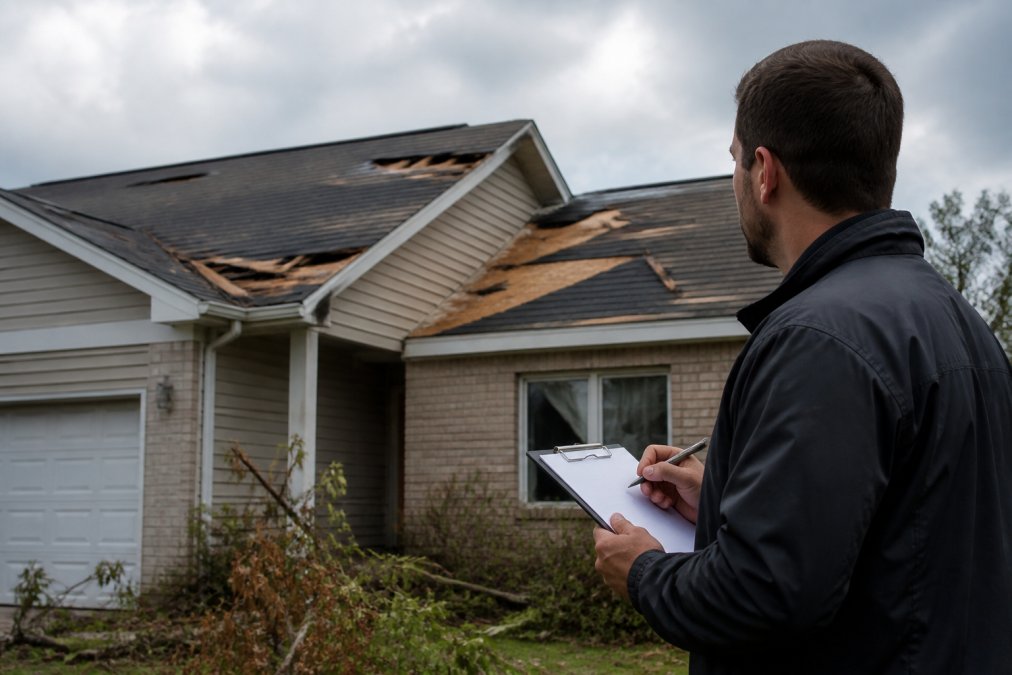
Preventative maintenance also reduces the risk of interior water damage. A small leak that goes unnoticed for months can rot structural framing, damage insulation, promote mold growth, and create health hazards. Catching that leak during a scheduled inspection prevents far more costly damage.
Commercial Roof Inspection Cost and Frequency
Professional roof inspections should happen at least twice per year, ideally in spring after winter weather and in fall before the heavy rain season (osha.gov). Some buildings benefit from additional inspections after severe storms or if the roof is nearing the end of its expected lifespan.
The cost of a roof inspection varies based on roof size, accessibility, and the contractor's service area. Inspections are often free or included in maintenance contract pricing. When evaluating maintenance providers, ask whether inspections are included in the contract price or charged separately, and what the written report includes.
What matters most is that inspections happen on schedule and are documented. A contractor who shows up twice yearly, walks the entire roof, takes photos, and provides a written report is protecting your investment far more effectively than one who charges less but skips the documentation.
| Inspection Frequency | Best For | Typical Timing |
|---|---|---|
| Twice yearly | Most commercial buildings | Spring and fall |
| Quarterly | Aging roofs or high-risk areas | Every 3 months |
| After storms | All buildings in severe weather zones | Within 48 hours of major event |
| Annual | Well-maintained newer roofs | Once per year |
When choosing a maintenance provider, ask specifically about their inspection process. Do they use a checklist? Do they document findings with photos? How quickly do you receive the report? These details separate contractors who take maintenance seriously from those just going through the motions.
Maintenance Contract Tiers and What to Expect
Most roofing contractors offer tiered maintenance contracts, each with different levels of service and cost.
Basic Tier: Inspections and Cleaning The entry-level contract includes scheduled inspections (usually twice yearly) and basic cleaning, removing debris from the roof, gutters, and drains. You receive a written report after each visit. Repairs are quoted separately and not included. This tier works for newer roofs in good condition and for facility managers who want to stay ahead of problems without paying for extensive services upfront.
Standard Tier: Inspections, Cleaning, and Minor Repairs This mid-level contract includes everything in the basic tier plus minor repairs done on the spot during inspections, resealing flashings, patching small punctures, clearing blocked drains, and reapplying sealant to seams. Major repairs or replacement work is still quoted separately. This tier provides better value because you're addressing small problems before they escalate.
Premium Tier: Comprehensive Maintenance and Priority Service The top-tier contract includes everything in the standard tier plus priority emergency response, extended coverage (quarterly inspections instead of twice yearly), roof coating maintenance, and sometimes a small allowance for repairs. Premium contracts often include a guaranteed response time for emergency calls. This tier is ideal for large buildings, older roofs, or properties where roof failure would significantly disrupt operations.
Match the tier to your building's actual needs. Roof Masters And Exteriors works with facility managers to identify which tier makes sense for their specific situation. A newer TPO roof in good condition might do well on a basic contract with annual upgrades. An older EPDM roof or a building with a history of leaks would benefit from standard or premium coverage.
How to Choose the Right Maintenance Provider
Selecting a maintenance contractor is one of the most important decisions a facility manager makes. A good contractor becomes a trusted partner who understands your roof, responds reliably, and helps you avoid expensive surprises.
Verify Local Experience and Credentials Choose a contractor with significant experience in the Indianapolis area and with your specific roof type. TPO, EPDM, and PVC membranes have different maintenance needs. Ask how many years they've been operating locally and how many commercial flat roofs they maintain. A contractor with 35+ years in the market has seen every problem your roof might develop.
Check References and Track Record Ask for references from other facility managers in the area who use the contractor's maintenance services. Call them and ask whether inspections happen on schedule, whether the contractor is responsive to emergency calls, and whether the written reports are detailed and useful. One poor reference is a red flag, maintenance is a service business, and reliability matters more than price.
Understand the Contract Terms Before signing, make sure you understand exactly what's included, what's excluded, how much repairs cost, and what happens in an emergency. Is there a guaranteed response time for emergency calls? Are inspections included or charged separately? How are repairs priced? These details should be clear in writing.
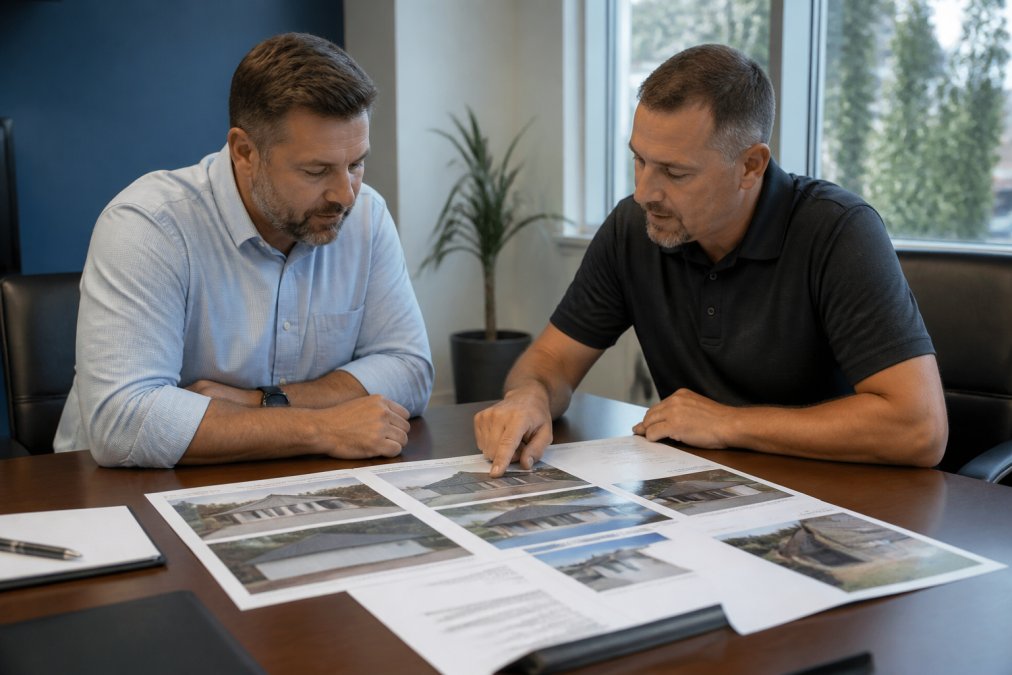
Evaluate Communication and Transparency A good contractor explains what they found, why it matters, and what it will cost to fix. They don't pressure you into unnecessary work and don't disappear halfway through a project. Pay attention to how quickly they respond to your initial inquiry and how clearly they answer your questions.
Compare Proposals Carefully Don't choose solely on price, the lowest bid often reflects lower service quality or incomplete coverage. Instead, compare what's actually included in each proposal. Look at the total value, not just the line item cost.
Ask About Warranty and Insurance The contractor should carry liability insurance and workers' compensation. They should also offer a warranty on their workmanship. Verify that the insurance is current and that the warranty is in writing.
Conclusion: Protecting Your Commercial Roof Investment
Your commercial roof is a critical asset protecting your building and everything inside it. Neglecting maintenance until leaks appear is like waiting for a check engine light to turn red before changing your oil, you'll end up paying far more for emergency repairs than you would have spent on preventative care.
A solid maintenance contract establishes predictable service, catches problems early, keeps your roof warranty valid, and gives you the peace of mind that comes from knowing a reliable team is watching your investment. Roof Masters And Exteriors has spent 35 years maintaining commercial roofs across Indianapolis, and we've seen firsthand how the right maintenance program extends roof lifespan by years and saves facility managers tens of thousands in unexpected repair costs.
When you're ready to protect your commercial roof with a maintenance contract, contact us for a free inspection and customized proposal. We'll walk your roof, show you what we find, and help you understand exactly what maintenance tier makes sense for your building's condition and your budget.
Frequently Asked Questions
What should be included in a commercial flat roof maintenance contract?
A comprehensive maintenance contract should include scheduled roof inspections (typically twice yearly), gutter and drain cleaning, minor repairs on the spot, membrane cleaning, debris removal, sealant reapplication, flashing inspection, and detailed written condition reports with photos. The best contracts also support manufacturer warranty compliance and include documentation of all work performed. Verify that the provider offers emergency response services and specifies which repairs are covered versus billable separately.
How often should commercial flat roofs be inspected?
Most maintenance contracts include inspections twice per year, typically in spring and fall, to catch seasonal damage and weather-related wear. After severe storms, additional inspections are essential. Regular inspections help identify small issues before they become costly leaks or structural damage. More frequent inspections may be necessary in harsh climates or for older roofing systems. Your maintenance provider should document every inspection with photos and written reports.
What is the average lifespan of a commercial flat roof?
Commercial flat roofs typically last 15-25 years depending on material type and maintenance quality. TPO and EPDM membranes generally last 15-20 years, while PVC can extend to 20-25 years. Regular preventative maintenance significantly extends roof life by addressing minor issues before they compromise the membrane. Neglected roofs may fail in 10-15 years. Proper drainage, seasonal cleaning, and timely repairs are critical factors that determine whether your roof reaches or exceeds its expected lifespan.
Why is preventative maintenance better than waiting for emergency repairs?
Preventative maintenance identifies and fixes small problems, clogged drains, minor tears, flashing issues, before they cause interior water damage or structural failure. Emergency repairs are typically 2-3 times more expensive than routine maintenance and can disrupt business operations. A maintenance contract spreads costs predictably across the year, protects your warranty, and reduces the risk of costly downtime. Property managers with multiple buildings find that maintenance contracts provide budget certainty and reduce insurance claims related to water damage.
Your roof isn't something to address when it fails, it's something to protect before problems start. Contact Roof Masters And Exteriors today and let our team develop a maintenance strategy that keeps your roof performing reliably for years to come.
This article was written using GrandRanker